In brief
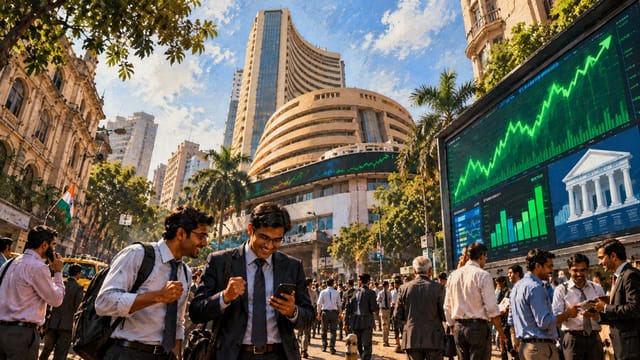
- The FAO Food Price Index climbed to 136 points in September 2026, the highest since November 2022, signalling that the previous dampening of agricultural wholesale prices has reversed and global food inflation is likely to rise.
- Warnings from the World Bank, IMF, and regional development banks indicate that global food inflation will intensify further in the coming months and persist into 2027.
- The next wave of inflation is structural and multi dimensional, driven by climate disruptions, maritime diversions around Africa, rising input costs, and protectionist trade barriers rather than a single shock like early 2022.
- The crisis threatens the fiscal capacity of governments, social stability in import dependent nations, and living standards of vulnerable households, as climate volatility damages harvests and elevated input costs limit crop productivity.
For the past eighteen months, finance ministers and central bankers across the world celebrated the steady deceleration of consumer price indices. Supply chains untangled, energy markets normalised after the initial shocks of the Ukraine conflict, and headline inflation retreated toward standard institutional targets.
That hard-won stability is now beginning to unravel.
According to consolidated data released in October 2026 by the United Nations Food and Agriculture Organization (FAO), the benchmark FAO Food Price Index (FFPI)—which tracks the monthly international prices of a basket of globally traded food commodities—climbed to 136 points in September 2026. The reading marks the highest level recorded since November 2022 and confirms that the gentle downward trajectory in agricultural wholesale prices has definitively reversed.
Multilateral warnings from the World Bank, the International Monetary Fund (IMF), and regional development banks point to an unavoidable conclusion: global food inflation is set to intensify over the coming months and persist deep into 2027.
Unlike the acute shock of early 2022, which was primarily sparked by an immediate military disruption to Black Sea ports, the impending wave is structural, multi-dimensional, and far more difficult to resolve. It is driven by a dangerous confluence of extreme climate disruptions ("climateflation"), prolonged maritime diversions around the African continent, sticky agricultural input costs, and escalating protectionist trade barriers.
Catalyst 1: The "Climateflation" Crisis and Depleted Buffers
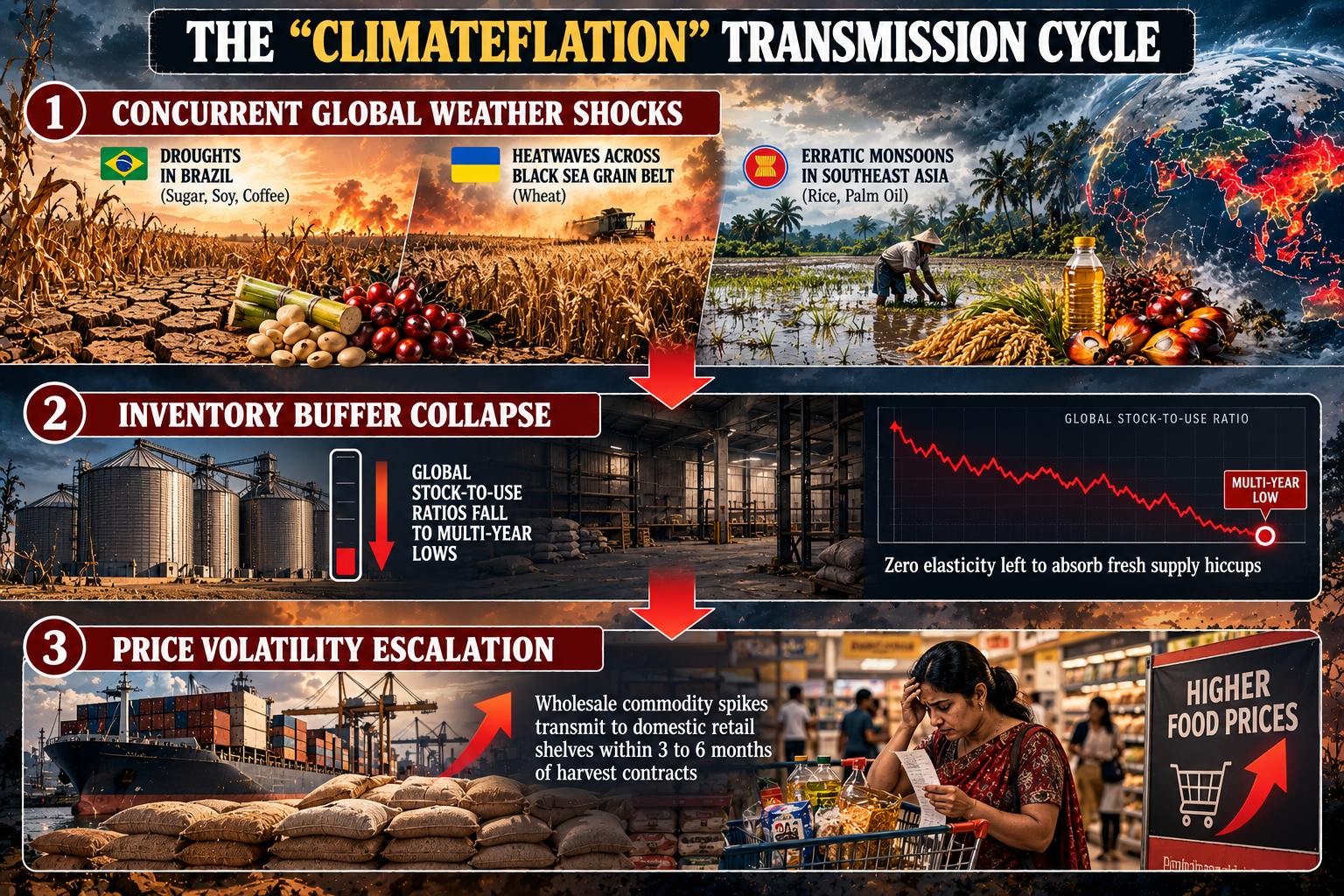
The foremost engine driving agricultural prices upward is not warfare, but an unrelenting succession of climate shocks that agricultural economists term "climateflation."
Historically, global agriculture relied on geographic diversification: a poor harvest in North America was typically offset by bumper crops in Australia or South America. In 2025 and 2026, climate synchronicity shattered that buffer, inflicting concurrent weather extremes across the world's primary breadbaskets:
The Black Sea and Southern European Grain Belt
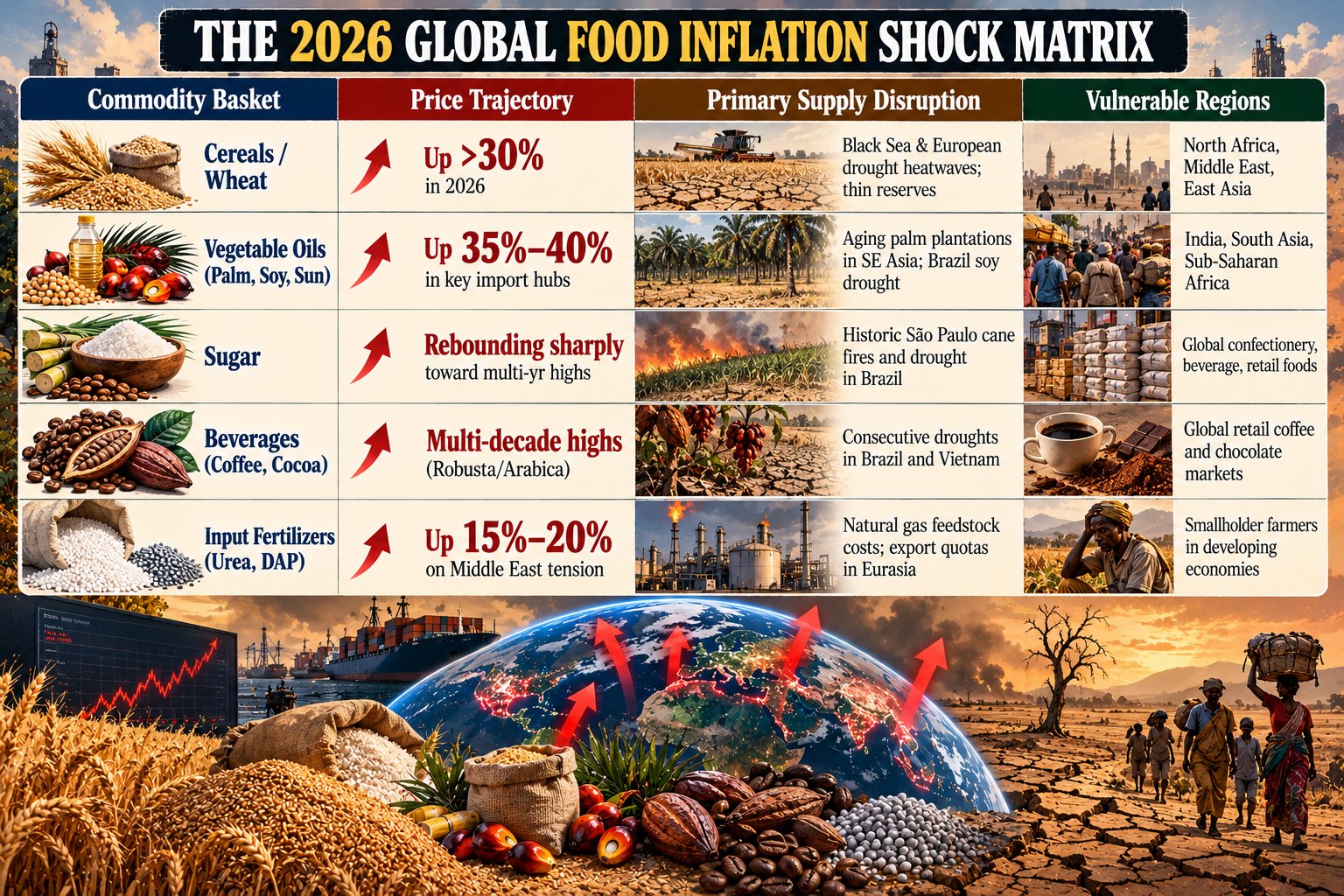
Wheat markets have absorbed severe shocks. Benchmark wheat futures have climbed by over 30% in 2026, driven by an unprecedented combination of early-spring frosts followed by historic summer heatwaves across southern Russia, eastern Ukraine, and the Danube river basin. The Russian Grain Union and European monitoring services have repeatedly lowered exportable surplus projections, leaving the global wheat balance sheet with its thinnest inventory-to-use ratio in eight years.
The South American Agribusiness Drought
In Brazil—the world's dominant exporter of soybeans, sugar, and coffee—the 2025–2026 agricultural season coincided with the most acute drought recorded since systematic basin measurements began. In São Paulo state, agricultural wildfires swept across thousands of hectares of mature sugarcane plantations. Simultaneously, low water levels in the Amazon and Paraná river systems stranded grain barges, forcing agricultural exporters to rely on costly, diesel-intensive road transit to Atlantic ports.
The Tropical Beverage Shock
In the specialty commodity sector, consumer staples have turned into luxury goods. Arabica and Robusta coffee bean prices have hovered near record highs as back-to-back droughts struck both Minas Gerais in Brazil and the Central Highlands of Vietnam. Similarly, the global cocoa market remains structurally broken following catastrophic fungal outbreaks and torrential rainfall across Ivory Coast and Ghana, ensuring that processed food makers face elevated input costs across the board.
Catalyst 2: The Maritime Chokepoint and Freight Tax
The physical movement of food relies on maritime bulk carriers. Today, the maritime corridors that carry the world’s grain, oilseeds, and fertilizers are constricted by structural geopolitical friction.
The ongoing security crisis in the Red Sea and the Bab el-Mandeb Strait has fundamentally altered global trade routes. Rather than transiting the Suez Canal—the natural artery connecting European, Black Sea, and North African grain exporters with consumers in East Africa, the Persian Gulf, and South Asia—commercial bulk carriers are routinely forced to circumnavigate the Cape of Good Hope at the southern tip of Africa.
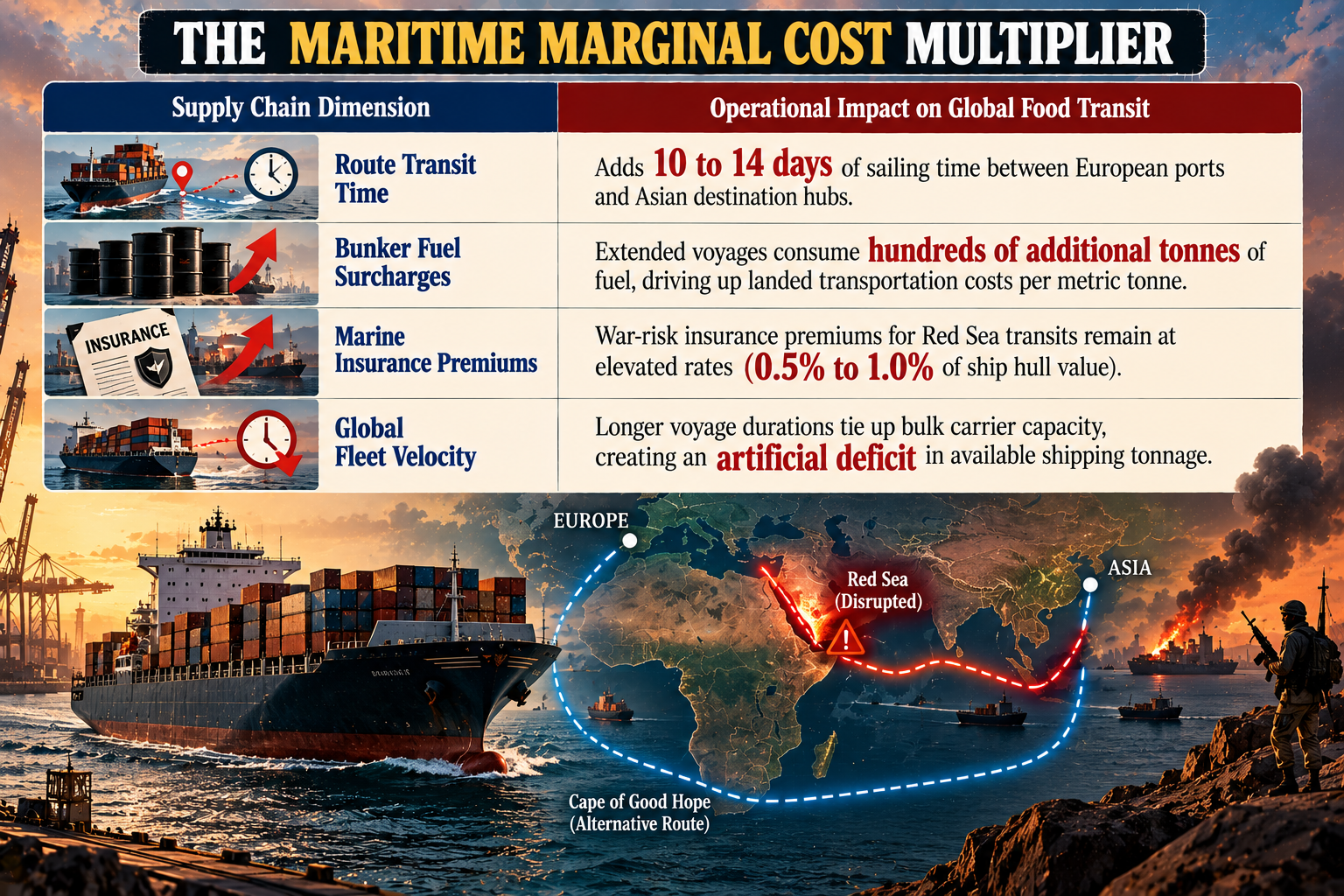
For low-margin, high-volume bulk commodities like wheat, maize, and raw sugar, shipping costs represent a substantial percentage of the final landed price.
When freight rates rise, the cost is passed directly onto consumers. In import-dependent destinations across the Middle East and East Africa, the landed cost of cooking oil and milling wheat has increased by 15% to 25% purely due to logistics, insurance, and extended transit financing costs.
Catalyst 3: The Vegetable Oil Crunch and Biodiesel Mandates
Perhaps the most aggressive driver of the FAO index’s climb to 136 points is the FAO Vegetable Oil Price Index, which has risen by double digits over recent months.
Edible oils—chiefly palm, soybean, sunflower, and rapeseed—represent a ubiquitous foundation of human nutrition and industrial food manufacturing. Today, the edible oil complex faces a severe structural supply deficit:
Palm Oil Production Ceilings: Indonesia and Malaysia, which together account for roughly 85% of global palm oil output, are experiencing structural yield stagnation. Plantations are contending with aging oil palm trees, prolonged replanting cycles, and labour shortages.
The Biofuel Diversion Trap: Governments across key producing nations are accelerating domestic renewable energy mandates. Indonesia’s rollout of its B40 mandate (requiring diesel fuel to contain 40% palm-based biofuel) is siphoning millions of tonnes of crude palm oil away from food supply chains into domestic fuel tanks.
The Sunflower and Soy Deficit: Ongoing disruptions to Black Sea crushing facilities and low river transport levels in South America have limited the availability of alternative sunflower and soybean oils, leaving international buyers with few options to balance the market.
In major importing nations—including India, Bangladesh, and the United Arab Emirates—wholesale domestic cooking oil prices have climbed by up to 40% in 2026, directly hitting household expenditure across the developing world.
Catalyst 4: Energy Feeds Fertilizer, Fertilizer Feeds Crops
The transmission mechanism of food inflation extends far beyond the farm gate; it is anchored in the international energy complex.
Synthetic nitrogen fertilizers (predominantly anhydrous ammonia and urea) require natural gas as their primary chemical feedstock and energy source. When natural gas prices spike—driven by geopolitical instability in the Middle East, infrastructure sabotage, or European winter restocking demands—fertilizer manufacturing costs surge in direct correlation.
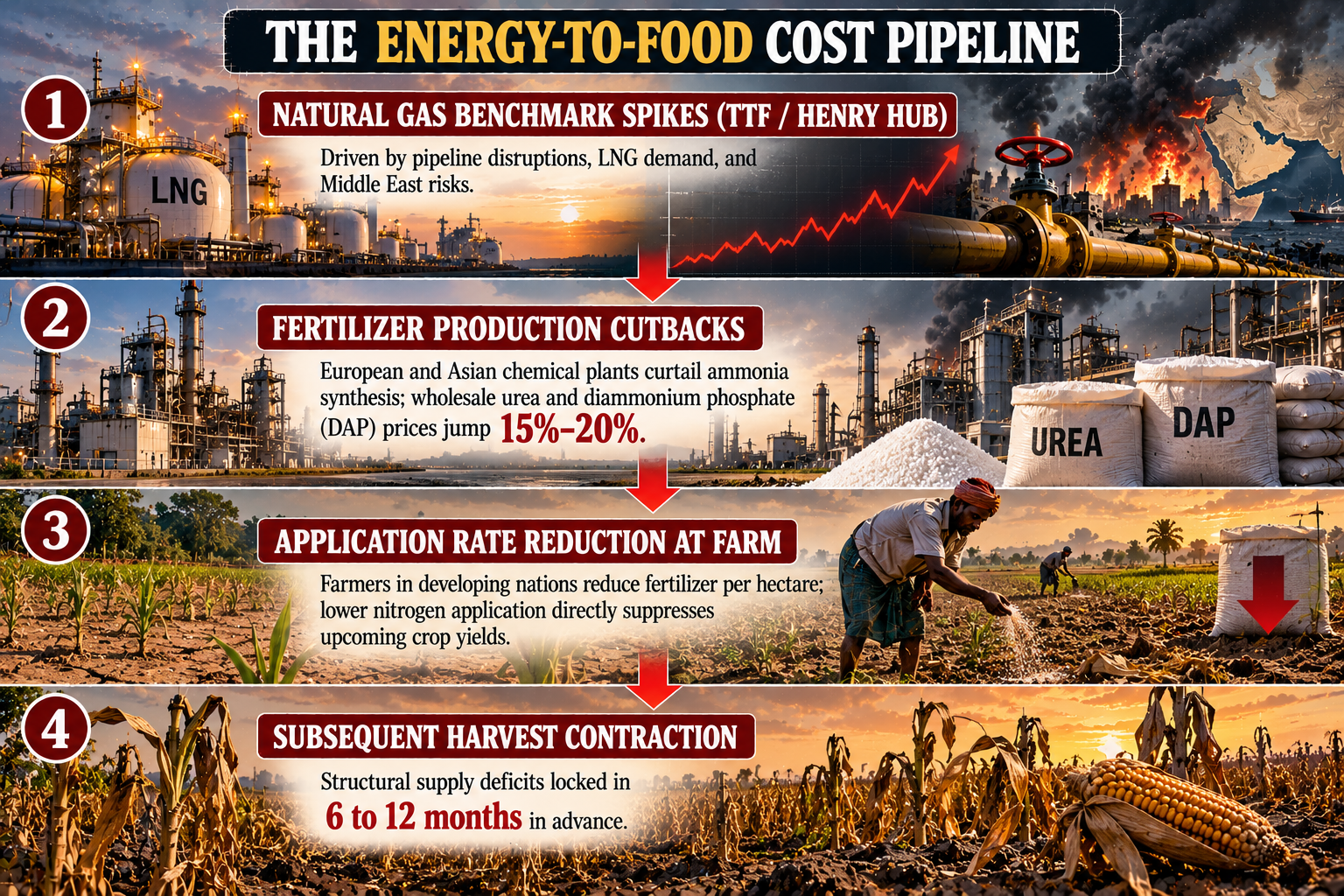
As the World Bank highlighted in its commodity outlooks, smallholder farmers across Latin America, Sub-Saharan Africa, and South Asia have responded to expensive input prices by reducing application rates.
Crops sown with sub-optimal fertilizer volumes produce lower yields and thinner grain heads. The high fertilizer prices of early and mid-2026 have effectively "pre-programmed" diminished global harvest volumes for late 2026 and early 2027, ensuring that supply will remain constrained even if weather conditions temporarily improve.
Catalyst 5: The Currency Penalty in the Global South
The burden of global food inflation is intensely unequal.
In advanced economies like the United Kingdom, the United States, and the European Union, food represents approximately 10% to 15% of the average household's consumption basket. Consumer price inflation at the supermarket is unpleasant, but rarely leads to malnutrition or civil unrest.
In the Global South—spanning North Africa, the Sahel, the Middle East, Central America, and South Asia—the arithmetic is catastrophic:
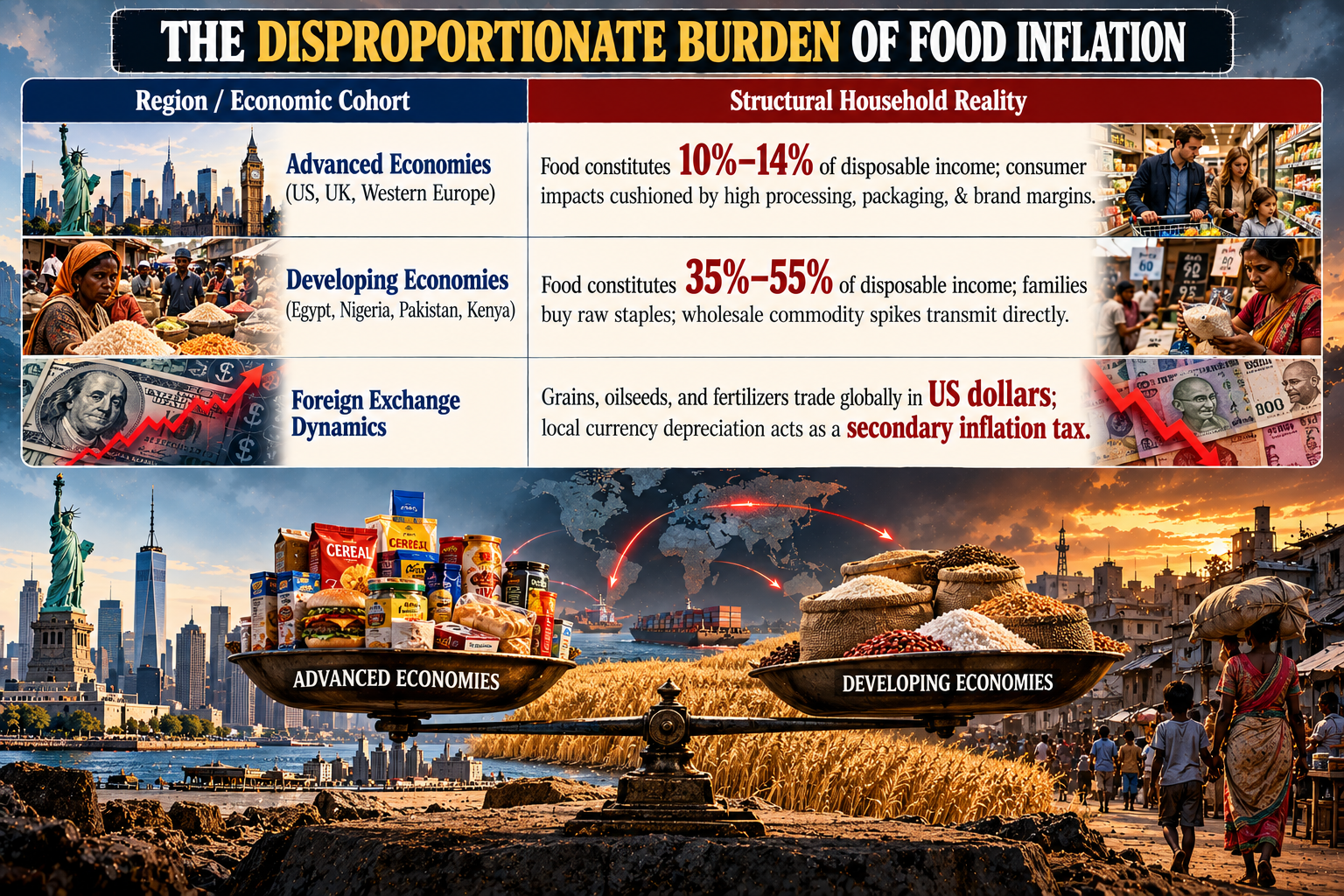
Because international agricultural trade is denominated in US dollars, a country whose currency depreciates against the greenback suffers a compound penalty. Even if the global price of wheat remains flat, a 15% drop in the local currency translates into an immediate 15% domestic price hike at the local flour mill.
In countries like Egypt (the world’s largest wheat importer), Nigeria, and Pakistan, depleted foreign exchange reserves have forced governments to scale back food subsidies, triggering sharp domestic price spikes for bread, rice, and cooking oil.
The Central Banking Dilemma: The Risk of Second-Round Spikes
For global central banks—including the US Federal Reserve, the European Central Bank (ECB), and the Bank of England—the return of food inflation creates an acute policy dilemma.
Having spent two years raising interest rates to historic highs to crush post-pandemic inflation, monetary authorities began cautious easing cycles in mid-2024 and 2025. However, as noted in recent ECB macroeconomic analysis, food and energy prices represent the primary psychological drivers of inflation expectations.
When consumers see grocery bills climbing week after week, their perception of overall inflation rises, regardless of what core inflation metrics show. This dynamic triggers demands for higher wages, threatening to initiate second-round inflationary spirals that could force central banks to halt planned interest-rate cuts or resume monetary tightening.
Conclusion: The New Era of Food Insecurity
The resurgence of the FAO Food Price Index to 136 points is not a temporary market fluctuation. It is a systemic warning that global food systems are operating at the outer edge of their resilience.
For decades, the global food architecture relied on cheap fossil fuel energy, predictable weather patterns, open maritime corridors, and deep buffer stocks. In late 2026, every one of those pillars is compromised.
As climate volatility damages harvests across South America and the Black Sea, maritime chokepoints stretch shipping capacity, and elevated input costs limit crop productivity, the world faces a prolonged period of elevated food prices. The crisis will test the fiscal capacity of governments, the social stability of import-dependent nations, and the living standards of millions of vulnerable households.
Central banks can manipulate interest rates to influence demand, but monetary policy cannot manufacture rain, clear maritime bottlenecks, or replace empty granaries. Until systemic resilience is restored to global agriculture, the world must brace for an era where affordable food is no longer a given.